Fixing more than Glasses:
Fixing more than Glasses:
Fixing more than Glasses:
How XP Health rebuilt trust through smarter troubleshooting
How XP Health rebuilt trust through smarter troubleshooting
How XP Health rebuilt trust through smarter troubleshooting
Service Design
Service Design
Service Design
Customer Facing
Customer Facing
Customer Facing
Internal Processes
Internal Processes
Internal Processes
Healthcare
Healthcare
Healthcare
Optical
Optical
Optical
B2B2C
B2B2C
B2B2C
XP Health is a health tech start up that combines vision insurance, eyewear, e-commerce and optical lab services into one seamless digital platform for employers and their employees (who will be referred to as customers).
XP Health is a health tech start up that combines vision insurance, eyewear, e-commerce and optical lab services into one seamless digital platform for employers and their employees (who will be referred to as customers).
XP Health is a health tech start up that combines vision insurance, eyewear, e-commerce and optical lab services into one seamless digital platform for employers and their employees (who will be referred to as customers).
What happens when a company keeps remaking glasses without asking why?
What happens when a company keeps remaking glasses without asking why?
What happens when a company keeps remaking glasses without asking why?
What I Noticed First
What I Noticed First
What I Noticed First
The Operations (Ops) team was measured on output of eyewear orders. They were also responsible for supporting Customer service (CS; non-optical) with all optical questions and inquiries.
When CS requested Ops to remake an eyewear order, Ops would quickly oblige. Multiple Ops members would handle the remakes with no single ownership or follow through.
The Operations (Ops) team was measured on output of eyewear orders. They were also responsible for supporting Customer service (CS; non-optical) with all optical questions and inquiries.
When CS requested Ops to remake an eyewear order, Ops would quickly oblige. Multiple Ops members would handle the remakes with no single ownership or follow through.
The Operations (Ops) team was measured on output of eyewear orders. They were also responsible for supporting Customer service (CS; non-optical) with all optical questions and inquiries.
When CS requested Ops to remake an eyewear order, Ops would quickly oblige. Multiple Ops members would handle the remakes with no single ownership or follow through.

My Impact
My Impact
My Impact
Leveraged the Voice of the Customer
Leveraged the Voice of the Customer
Leveraged the Voice of the Customer
Interviewed 152 customers over 12 months.
This commitment to surfacing user pain points drove every initiative that followed.
Interviewed 152 customers over 12 months.
This commitment to surfacing user pain points drove every initiative that followed.
Interviewed 152 customers over 12 months.
This commitment to surfacing user pain points drove every initiative that followed.
Downstream (Resolution & Remakes)
Downstream (Resolution & Remakes)
Downstream (Resolution & Remakes)
~75% reduction
~75% reduction
~75% reduction
in second-remake occurrences via ownership, synchronous assessment and protocols.
in second-remake occurrences via ownership, synchronous assessment and protocols.
in second-remake occurrences via ownership, synchronous assessment and protocols.
Faster, cleaner resolutions; less ping-ponging between CS and Ops.
Faster, cleaner resolutions; less ping-ponging between CS and Ops.
Faster, cleaner resolutions; less ping-ponging between CS and Ops.
≥95% CSAT
≥95% CSAT
≥95% CSAT
on my tickets; customers liked having face to face interactions and optical expertise.
on my tickets; customers liked having face to face interactions and optical expertise.
on my tickets; customers liked having face to face interactions and optical expertise.
Upstream (Order & Selection)
Upstream (Order & Selection)
Upstream (Order & Selection)
~25% fewer
~25% fewer
~25% fewer
avoidable ordering issues after updating the UI copy and visuals in the lens product checkout process.
avoidable ordering issues after updating the UI copy and visuals in the lens product checkout process.
avoidable ordering issues after updating the UI copy and visuals in the lens product checkout process.
Fewer “you made the wrong glasses” tickets because choices were clearer.
Fewer “you made the wrong glasses” tickets because choices were clearer.
Fewer “you made the wrong glasses” tickets because choices were clearer.
Trust & Organization Ripple Effects
Trust & Organization Ripple Effects
Trust & Organization Ripple Effects
6 Months. 3 Remakes.
6 Months. 3 Remakes.
6 Months. 3 Remakes.
One customer was stuck with unusable glasses. The moment I required a real Rx, one remake solved it then happy silence.
One customer was stuck with unusable glasses. The moment I required a real Rx, one remake solved it then happy silence.
One customer was stuck with unusable glasses. The moment I required a real Rx, one remake solved it then happy silence.
Mystery Solved
Mystery Solved
Mystery Solved
The “mystery prism” vanished when I requested and validated the Rx. The customer was instantly satisfied.
The “mystery prism” vanished when I requested and validated the Rx. The customer was instantly satisfied.
The “mystery prism” vanished when I requested and validated the Rx. The customer was instantly satisfied.
Team Evolution
Team Evolution
Team Evolution
Role moved from Ops to Cs; solidifying the demand for an optical team and hinted at specializations (remakes vs consults).
Role moved from Ops to Cs; solidifying the demand for an optical team and hinted at specializations (remakes vs consults).
Role moved from Ops to Cs; solidifying the demand for an optical team and hinted at specializations (remakes vs consults).
Business Development
Business Development
Business Development
Spawned VIP styling/consults that Sales now uses to close deals (executive-level convos, CEO/VP endorsements).
Spawned VIP styling/consults that Sales now uses to close deals (executive-level convos, CEO/VP endorsements).
Spawned VIP styling/consults that Sales now uses to close deals (executive-level convos, CEO/VP endorsements).
Key Accomplishments
Key Accomplishments
Led the rebuild of XP Health's troubleshooting flow
Led the rebuild of XP Health's troubleshooting flow
Led the rebuild of XP Health's troubleshooting flow
Redesigned XP Health’s troubleshooting system through an optical and service design lens to reduce remakes and rebuild trust.
Redesigned XP Health’s troubleshooting system through an optical and service design lens to reduce remakes and rebuild trust.
Redesigned XP Health’s troubleshooting system through an optical and service design lens to reduce remakes and rebuild trust.

Built an “Optical 101” deck and recorded training
Built an “Optical 101” deck and recorded training
Built an “Optical 101” deck and recorded training
Built and recorded ‘Optical 101’ training so new hires could confidently discuss eyewear and reduce dependency on optical experts
Built and recorded ‘Optical 101’ training so new hires could confidently discuss eyewear and reduce dependency on optical experts
Built and recorded ‘Optical 101’ training so new hires could confidently discuss eyewear and reduce dependency on optical experts

Created repeatable communication systems
Created repeatable communication systems
Created repeatable communication systems
Standardized cross-team communication with a smarter CS intake script resulting in better questions up front and fewer back-and-forths.
Standardized cross-team communication with a smarter CS intake script resulting in better questions up front and fewer back-and-forths.
Standardized cross-team communication with a smarter CS intake script resulting in better questions up front and fewer back-and-forths.

Served as the escalation point
Served as the escalation point
Served as the escalation point
Served as the go-to optical expert for complex eyewear cases and escalations.
Served as the go-to optical expert for complex eyewear cases and escalations.
Served as the go-to optical expert for complex eyewear cases and escalations.
Advised and launched video troubleshooting calls
Advised and launched video troubleshooting calls
Advised and launched video troubleshooting calls
Championed and launched video troubleshooting calls, making optical problem-solving faster and more personal.
Championed and launched video troubleshooting calls, making optical problem-solving faster and more personal.
Championed and launched video troubleshooting calls, making optical problem-solving faster and more personal.

Established a single optician ownership
Established a single optician ownership
Established a single optician ownership
Shifted to a one-optician-per-case approach so customers had a consistent, trusted point of contact rather than being passed around.
Shifted to a one-optician-per-case approach so customers had a consistent, trusted point of contact rather than being passed around.
Shifted to a one-optician-per-case approach so customers had a consistent, trusted point of contact rather than being passed around.

Added quality guardrails
Added quality guardrails
Added quality guardrails
Instituted quality guardrails such as verifying prescriptions
edge-case inputs (e.g., prism) to prevent costly remakes.
Instituted quality guardrails such as verifying prescriptions
edge-case inputs (e.g., prism) to prevent costly remakes.
Instituted quality guardrails such as verifying prescriptions
edge-case inputs (e.g., prism) to prevent costly remakes.
Collaborated with product and design
Collaborated with product and design
Collaborated with product and design
Partnered with product and design to clarify copy and add visual context on lens-selection screens, improving user comprehension.
Partnered with product and design to clarify copy and add visual context on lens-selection screens, improving user comprehension.
Partnered with product and design to clarify copy and add visual context on lens-selection screens, improving user comprehension.
The Broken System
The Broken System
The Problems
The Problems
The Problems
The Main Problem
The Main Problem
The Main Problem
Ops was remaking glasses without the real info needed to fix them (e.g. physical copy of the rx) leading to repeat errors, higher costs, and a miserable customer experience.
Ops was remaking glasses without the real info needed to fix them (e.g. physical copy of the rx) leading to repeat errors, higher costs, and a miserable customer experience.
Ops was remaking glasses without the real info needed to fix them (e.g. physical copy of the rx) leading to repeat errors, higher costs, and a miserable customer experience.
Training gaps
Training gaps
Training gaps
CS had little to no optical basic knowledge and training.
CS had little to no optical basic knowledge and training.
CS had little to no optical basic knowledge and training.
Telephone game
Telephone game
Telephone game
Customer → CS (non-clinical) → Ops → back again.
Slow, fragmented, repetitive.
Customer → CS (non-clinical) → Ops → back again.
Slow, fragmented, repetitive.
Customer → CS (non-clinical) → Ops → back again.
Slow, fragmented, repetitive.
Why it Mattered
Why it Mattered
Why it Mattered
Blind Remakes
Blind Remakes
Blind Remakes
Ops kept “fixing” the wrong thing which wasted money, time, frustrated customers, and slowly eroded trust in the entire experience.
Ops kept “fixing” the wrong thing which wasted money, time, frustrated customers, and slowly eroded trust in the entire experience.
Ops kept “fixing” the wrong thing which wasted money, time, frustrated customers, and slowly eroded trust in the entire experience.
Education required
Education required
Education required
CS not understanding how to triage → Relying on Ops for optical insight.
Delays answers for customers and increases resolution time.
CS not understanding how to triage → Relying on Ops for optical insight.
Delays answers for customers and increases resolution time.
CS not understanding how to triage → Relying on Ops for optical insight.
Delays answers for customers and increases resolution time.
Customers & Business Impacted
Customers & Business Impacted
Customers & Business Impacted
B2C : diminish customer trust, unsatisfied with eyewear process, does not want XP Health as their vision provider
B2B : Unhappy employees report back to their HR to not renew contract, business loss for XP
B2C : diminish customer trust, unsatisfied with eyewear process, does not want XP Health as their vision provider
B2B : Unhappy employees report back to their HR to not renew contract, business loss for XP
B2C : diminish customer trust, unsatisfied with eyewear process, does not want XP Health as their vision provider
B2B : Unhappy employees report back to their HR to not renew contract, business loss for XP
Additional Systemic Issues
Additional Systemic Issues
Additional Systemic Issues
No owner, no trail
No owner, no trail
No owner, no trail
2–3 people touched a case; nobody held accountable; no clear notes on what changed or why.
One case dragged on for six months. People are impacted with a pair of eyeglasses that simply DONT work for them. Unusable product.
2–3 people touched a case; nobody held accountable; no clear notes on what changed or why.
One case dragged on for six months. People are impacted with a pair of eyeglasses that simply DONT work for them. Unusable product.
2–3 people touched a case; nobody held accountable; no clear notes on what changed or why.
One case dragged on for six months. People are impacted with a pair of eyeglasses that simply DONT work for them. Unusable product.
Manual Rx entry
Manual Rx entry
Manual Rx entry
Manual RX entry created legal and accuracy issues.
High opportunity for user error.
Manual input was time-consuming.
If anything was wrong, customers had to provide an RX photo.
Added extra days to the remake process.
Manual RX entry created legal and accuracy issues.
High opportunity for user error.
Manual input was time-consuming.
If anything was wrong, customers had to provide an RX photo.
Added extra days to the remake process.
Manual RX entry created legal and accuracy issues.
High opportunity for user error.
Manual input was time-consuming.
If anything was wrong, customers had to provide an RX photo.
Added extra days to the remake process.
Checkout confusion
Checkout confusion
Checkout confusion
UI Copy did not fully describe the product (e.g. lined bi-focal vs. blended progressive lens)
UI copy nudged customers to pick “fully covered” bifocals when they meant progressives.
UI Copy did not fully describe the product (e.g. lined bi-focal vs. blended progressive lens)
UI copy nudged customers to pick “fully covered” bifocals when they meant progressives.
UI Copy did not fully describe the product (e.g. lined bi-focal vs. blended progressive lens)
UI copy nudged customers to pick “fully covered” bifocals when they meant progressives.
Making the Invisbile Visible
Making the Invisbile Visible
Service Blueprint
Service Blueprint
Service Blueprint
Why this method
The problem wasn’t one screen or one workflow, it was the entire ecosystem of CS, Ops, and customers communicating through three different tools. A service blueprint gave me a way to visualize those cross-team handoffs, reveal the gaps, and identify where information broke down.
Why this method
The problem wasn’t one screen or one workflow, it was the entire ecosystem of CS, Ops, and customers communicating through three different tools. A service blueprint gave me a way to visualize those cross-team handoffs, reveal the gaps, and identify where information broke down.
Why this method
The problem wasn’t one screen or one workflow, it was the entire ecosystem of CS, Ops, and customers communicating through three different tools. A service blueprint gave me a way to visualize those cross-team handoffs, reveal the gaps, and identify where information broke down.
Why it matters
Because the real problem wasn’t the lenses, it was the system. By understanding how CS, Ops, and customers interacted across multiple tools, I could see exactly where information was getting lost and why the issue kept repeating.
Why it matters
Because the real problem wasn’t the lenses, it was the system. By understanding how CS, Ops, and customers interacted across multiple tools, I could see exactly where information was getting lost and why the issue kept repeating.
Why it matters
Because the real problem wasn’t the lenses, it was the system. By understanding how CS, Ops, and customers interacted across multiple tools, I could see exactly where information was getting lost and why the issue kept repeating.
2 Teams, 3 Different Tools
2 Teams, 3 Different Tools
2 Teams, 3 Different Tools
I documented issues across 3 separate tools (Zendesk, Lab tracker and DVI) with varying levels of access. CS documented in Zendesk. Ops documented in DVI. Both documented in Lab tracker. No one had the full picture.
I documented issues across 3 separate tools (Zendesk, Lab tracker and DVI) with varying levels of access. CS documented in Zendesk. Ops documented in DVI. Both documented in Lab tracker. No one had the full picture.
I documented issues across 3 separate tools (Zendesk, Lab tracker and DVI) with varying levels of access. CS documented in Zendesk. Ops documented in DVI. Both documented in Lab tracker. No one had the full picture.

Root Cause Analysis
Root Cause Analysis
Root Cause Analysis
Why this method
Remakes don’t come from a single point of failure; they’re the outcome of a whole system of inputs. A root cause analysis gave me a structured way to trace those inputs across teams and tools so I could understand the upstream triggers that created the downstream mess.
Why this method
Remakes don’t come from a single point of failure; they’re the outcome of a whole system of inputs. A root cause analysis gave me a structured way to trace those inputs across teams and tools so I could understand the upstream triggers that created the downstream mess.
Why this method
Remakes don’t come from a single point of failure; they’re the outcome of a whole system of inputs. A root cause analysis gave me a structured way to trace those inputs across teams and tools so I could understand the upstream triggers that created the downstream mess.
Why it matters
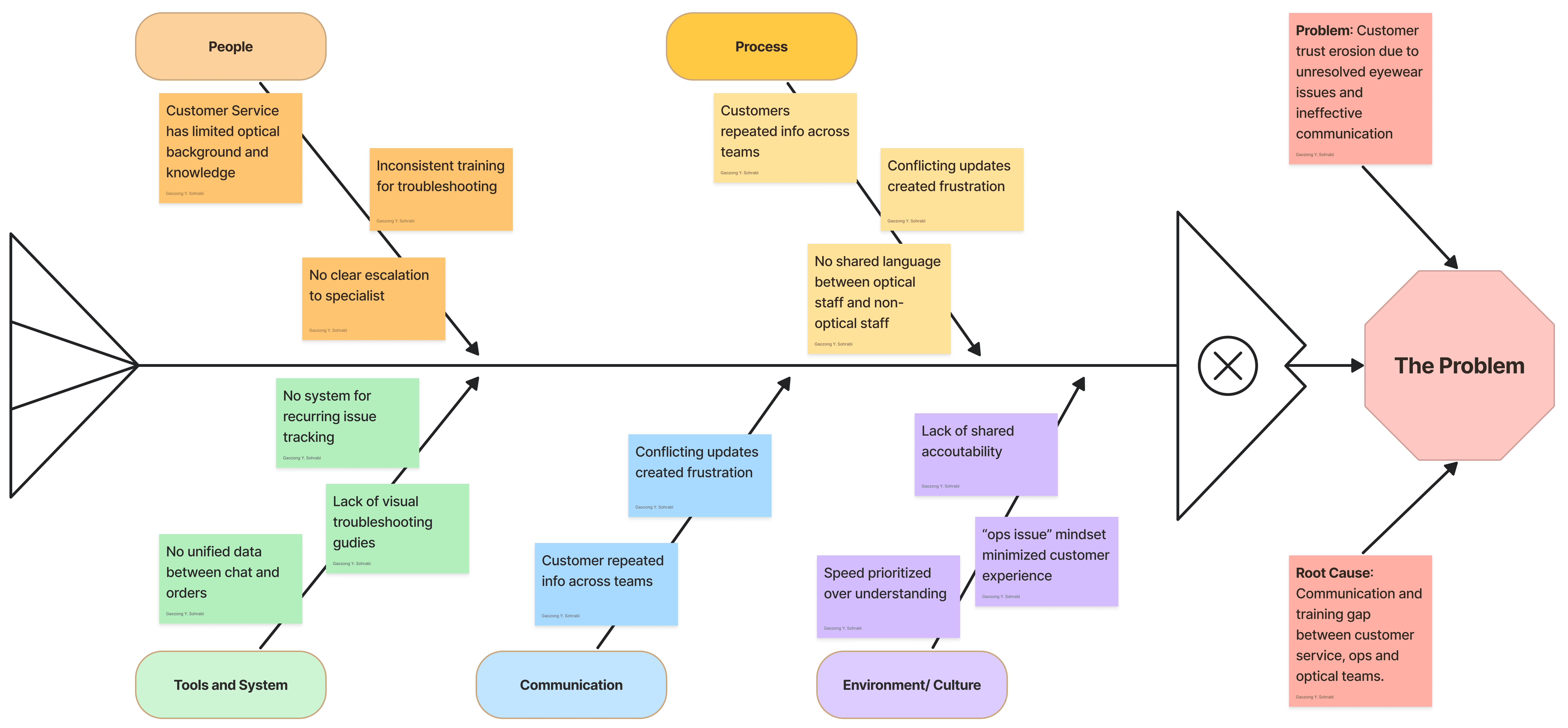
To visually display the various factors and teams that contribute to a remake: It forced the team to stop treating the symptom (“glasses remade again”) and identify what really created the issue, maybe a missing prescription, unclear UI, or lack of optical training.
Why it matters
To visually display the various factors and teams that contribute to a remake: It forced the team to stop treating the symptom (“glasses remade again”) and identify what really created the issue, maybe a missing prescription, unclear UI, or lack of optical training.
Why it matters
To visually display the various factors and teams that contribute to a remake: It forced the team to stop treating the symptom (“glasses remade again”) and identify what really created the issue, maybe a missing prescription, unclear UI, or lack of optical training.
This method helped clarify how issues across ordering, verification, and communication interacted, turning what felt like isolated mistakes into a system-wide pattern. The visualization aligned operations, design, and member-experience teams on where to intervene first.
This method helped clarify how issues across ordering, verification, and communication interacted, turning what felt like isolated mistakes into a system-wide pattern. The visualization aligned operations, design, and member-experience teams on where to intervene first.
This method helped clarify how issues across ordering, verification, and communication interacted, turning what felt like isolated mistakes into a system-wide pattern. The visualization aligned operations, design, and member-experience teams on where to intervene first.
How I Rebuilt the System
How I Rebuilt the System

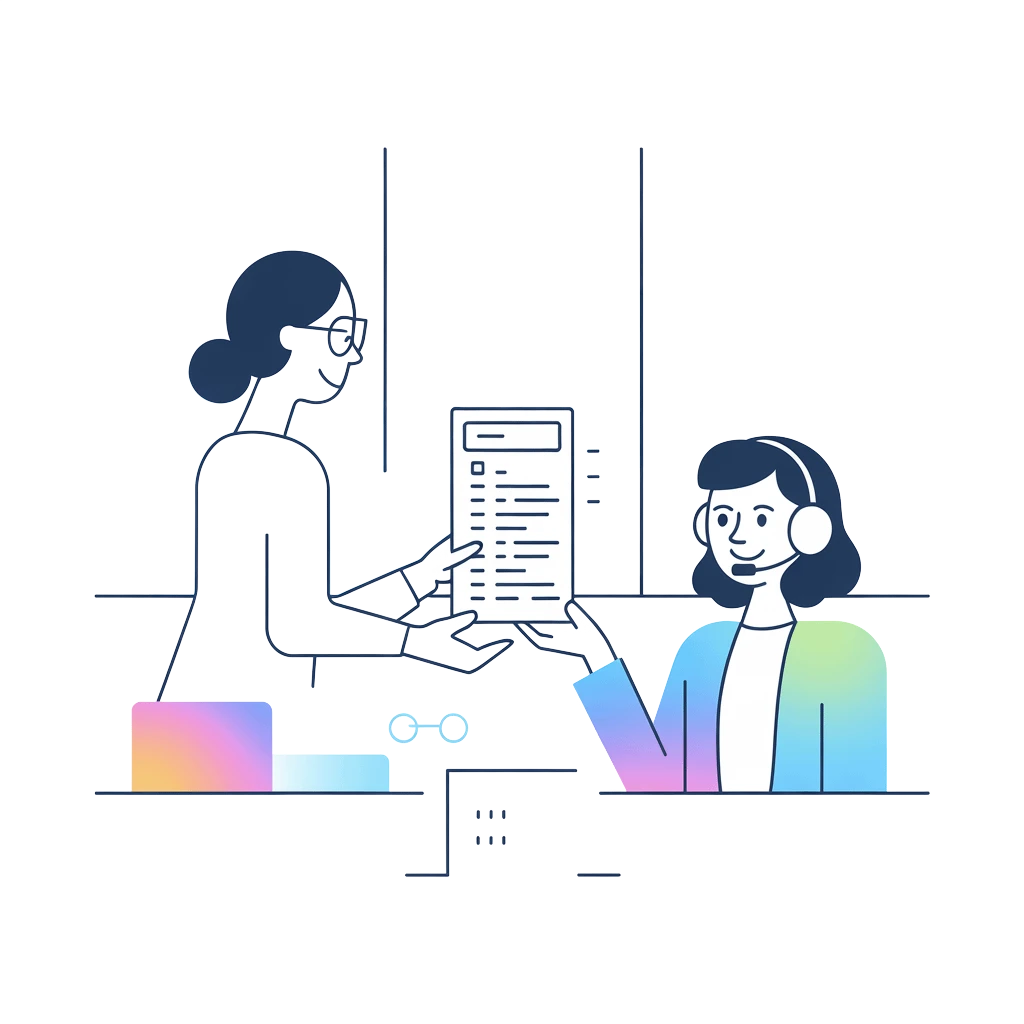
Claimed ownership: I took over all remakes, became the single point of contact for optical issues, and had CS to route to me directly (this would create the ‘optical team’). Customers knew who owned the resolution.
Claimed ownership: I took over all remakes, became the single point of contact for optical issues, and had CS to route to me directly (this would create the ‘optical team’). Customers knew who owned the resolution.
Claimed ownership: I took over all remakes, became the single point of contact for optical issues, and had CS to route to me directly (this would create the ‘optical team’). Customers knew who owned the resolution.
1
1
1
2
2
2
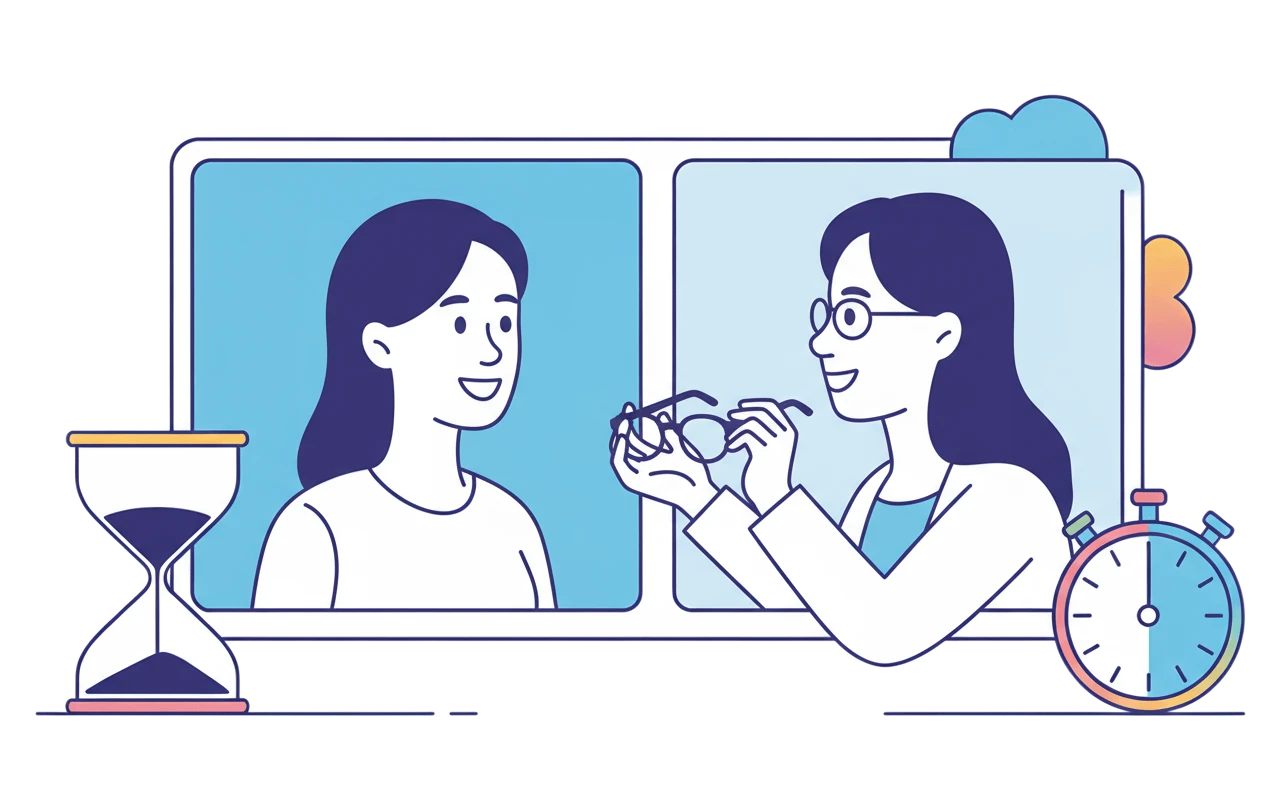
Talked to people (synchronous): Offered 15-minute video calls. Fast diagnosis, real-time reassurance, clear next steps.
Talked to people (synchronous): Offered 15-minute video calls. Fast diagnosis, real-time reassurance, clear next steps.
Talked to people (synchronous): Offered 15-minute video calls. Fast diagnosis, real-time reassurance, clear next steps.
3
3
3

Documented like it mattered: Recap emails + delivery follow-ups. If remakes failed, I needed to know why. I empowered customers to say, “This isn’t working,” because they deserved eyewear they could actually use and not wasted money on a pair they couldn’t.
Documented like it mattered: Recap emails + delivery follow-ups. If remakes failed, I needed to know why. I empowered customers to say, “This isn’t working,” because they deserved eyewear they could actually use and not wasted money on a pair they couldn’t.
Documented like it mattered: Recap emails + delivery follow-ups. If remakes failed, I needed to know why. I empowered customers to say, “This isn’t working,” because they deserved eyewear they could actually use and not wasted money on a pair they couldn’t.
4
4
4
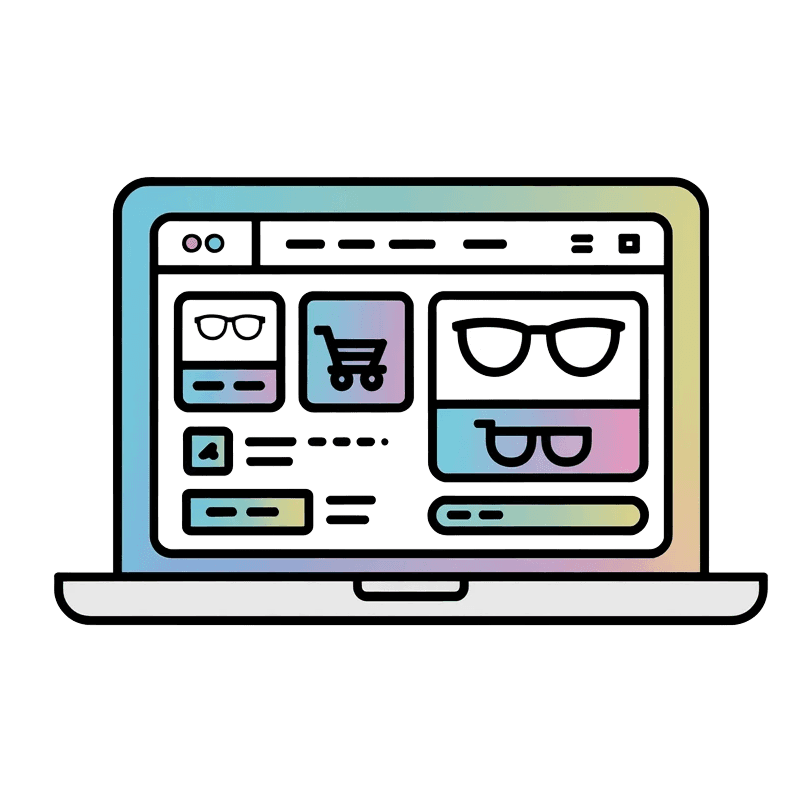
Pushed upstream fixes: Partnered with product and design on lens-selection microcopy and side-by-side visuals; advocated uploaded Rx over manual entry (or require full doctor details when manual is used).
Pushed upstream fixes: Partnered with product and design on lens-selection microcopy and side-by-side visuals; advocated uploaded Rx over manual entry (or require full doctor details when manual is used).
Pushed upstream fixes: Partnered with product and design on lens-selection microcopy and side-by-side visuals; advocated uploaded Rx over manual entry (or require full doctor details when manual is used).
5
5
5
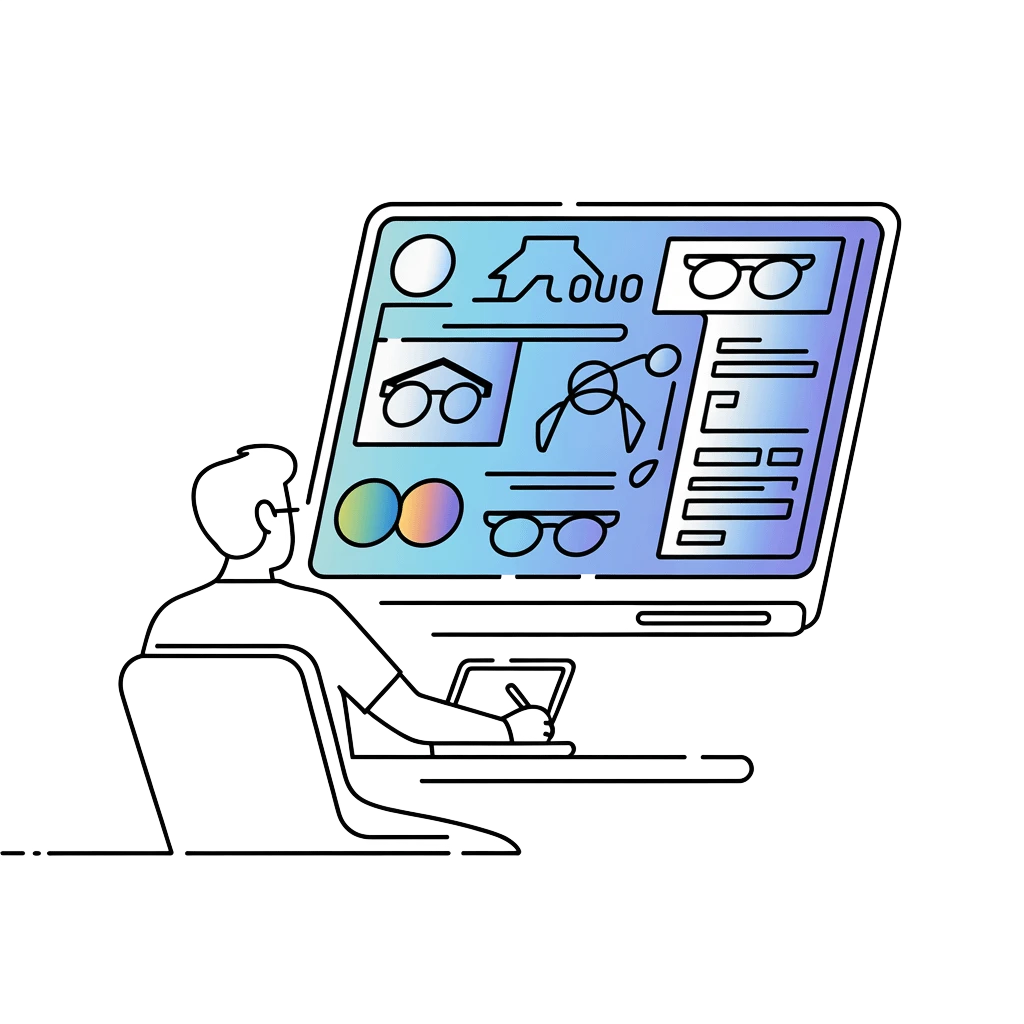
Closed the knowledge gap: Created Optical 101 onboarding + FAQ (recorded) so CS could triage confidently and stop punting everything.
Closed the knowledge gap: Created Optical 101 onboarding + FAQ (recorded) so CS could triage confidently and stop punting everything.
Closed the knowledge gap: Created Optical 101 onboarding + FAQ (recorded) so CS could triage confidently and stop punting everything.
6
6
6
Quality guardrails
Quality guardrails
Quality guardrails
“No remake without a valid Rx on file.” Confirm odd inputs (e.g., prism) before ordering.
“No remake without a valid Rx on file.” Confirm odd inputs (e.g., prism) before ordering.
“No remake without a valid Rx on file.” Confirm odd inputs (e.g., prism) before ordering.

“I can’t wear these eyeglasses. My eyes hurt as soon as I put it on."- Prism Customer
“I can’t wear these eyeglasses. My eyes hurt as soon as I put it on."- Prism Customer
“I can’t wear these eyeglasses. My eyes hurt as soon as I put it on."- Prism Customer

“I can see everything perfectly.”- Prism Customer
“I can see everything perfectly.”- Prism Customer
“I can see everything perfectly.”- Prism Customer
Added visuals of the lens type
Added visuals of the lens type
Added copy of "Blended" to describe lens type
Added copy of "Blended" to describe lens type
Added copy of "LINED" to further emphasise lens type
Added copy of "LINED" to further emphasise lens type
Added copy of "Distinct" to describe lens type
Added copy of "Distinct" to describe lens type
UI Clarity
UI Clarity
UI Clarity
Clearer copy and visual comparisons (bifocal vs progressive) at decision points to prevent wrong selections.
Clearer copy and visual comparisons (bifocal vs progressive) at decision points to prevent wrong selections.
Clearer copy and visual comparisons (bifocal vs progressive) at decision points to prevent wrong selections.
Before
1
LENS TYPE
Eyeglasses
2
PRESCRIPTION
Prescription
3
PRESCRIPTION OPTIMIZATION
Prescription
How do you plan on using these glasses?
SINGLE VISION
INCLUDED
Corrects for one field of vision
MULTIFOCAL
Corrects for multiple fields of vision in one set of lenses
PROGRESSIVES
Lens with distance, intermediate, and near focal points with a smooth transition between the fields. Idea for everyday use.
+$95
WORKSPACE PROGRESSIVES
Progressive lens exclusively for intermediate and reading. Good as a secondary pair dedicated to the workspace. Not suitable for driving.
+$95
BIFOCAL
Lens with two focal points: distance and reading.
INCLUDED
TRIFOCAL
Lens with three focal points: distance, intermediate and reading.
INCLUDED
After
1
LENS TYPE
Eyeglasses
2
PRESCRIPTION
Prescription
3
PRESCRIPTION OPTIMIZATION
Prescription
How do you plan on using these glasses?
SINGLE VISION
INCLUDED
Corrects for one field of vision
MULTIFOCAL
Corrects for multiple fields of vision in one set of lenses
1
2
3
4
PROGRESSIVES
Blended lens with distance, intermediate, and near focal points with a smooth transition between the fields. Idea for everyday use.
+$95
WORKSPACE PROGRESSIVES
Blended progressive lens exclusively for intermediate and reading. Good as a secondary pair dedicated to the workspace. Not suitable for driving.
+$95
BIFOCAL (LINED)
Distinct Lens with two focal points: distance and reading.
INCLUDED

TRIFOCAL (LINED)
Distinct lens with three focal points: distance, intermediate and reading.
INCLUDED
Before
Before
1
1
LENS TYPE
LENS TYPE
Eyeglasses
Eyeglasses
2
2
PRESCRIPTION
PRESCRIPTION
Prescription
Prescription
3
3
PRESCRIPTION OPTIMIZATION
PRESCRIPTION OPTIMIZATION
Prescription
Prescription
How do you plan on using these glasses?
How do you plan on using these glasses?
SINGLE VISION
SINGLE VISION
INCLUDED
INCLUDED
Corrects for one field of vision
Corrects for one field of vision
MULTIFOCAL
MULTIFOCAL
Corrects for multiple fields of vision in one set of lenses
Corrects for multiple fields of vision in one set of lenses
PROGRESSIVES
PROGRESSIVES
Lens with distance, intermediate, and near focal points with a smooth transition between the fields. Idea for everyday use.
Lens with distance, intermediate, and near focal points with a smooth transition between the fields. Idea for everyday use.
+$95
+$95
WORKSPACE PROGRESSIVES
WORKSPACE PROGRESSIVES
Progressive lens exclusively for intermediate and reading. Good as a secondary pair dedicated to the workspace. Not suitable for driving.
Progressive lens exclusively for intermediate and reading. Good as a secondary pair dedicated to the workspace. Not suitable for driving.
+$95
+$95
BIFOCAL
BIFOCAL
Lens with two focal points: distance and reading.
Lens with two focal points: distance and reading.
INCLUDED
INCLUDED
TRIFOCAL
TRIFOCAL
Lens with three focal points: distance, intermediate and reading.
Lens with three focal points: distance, intermediate and reading.
INCLUDED
INCLUDED
After
After
1
1
LENS TYPE
LENS TYPE
Eyeglasses
Eyeglasses
2
2
PRESCRIPTION
PRESCRIPTION
Prescription
Prescription
3
3
PRESCRIPTION OPTIMIZATION
PRESCRIPTION OPTIMIZATION
Prescription
Prescription
How do you plan on using these glasses?
How do you plan on using these glasses?
SINGLE VISION
SINGLE VISION
INCLUDED
INCLUDED
Corrects for one field of vision
Corrects for one field of vision
MULTIFOCAL
MULTIFOCAL
Corrects for multiple fields of vision in one set of lenses
Corrects for multiple fields of vision in one set of lenses
PROGRESSIVES
PROGRESSIVES
Blended lens with distance, intermediate, and near focal points with a smooth transition between the fields. Idea for everyday use.
Blended lens with distance, intermediate, and near focal points with a smooth transition between the fields. Idea for everyday use.
+$95
+$95
WORKSPACE PROGRESSIVES
WORKSPACE PROGRESSIVES
Blended progressive lens exclusively for intermediate and reading. Good as a secondary pair dedicated to the workspace. Not suitable for driving.
Blended progressive lens exclusively for intermediate and reading. Good as a secondary pair dedicated to the workspace. Not suitable for driving.
+$95
+$95
BIFOCAL (LINED)
BIFOCAL (LINED)
Distinct Lens with two focal points: distance and reading.
Distinct Lens with two focal points: distance and reading.
INCLUDED
INCLUDED
TRIFOCAL (LINED)
TRIFOCAL (LINED)
Distinct lens with three focal points: distance, intermediate and reading.
Distinct lens with three focal points: distance, intermediate and reading.
INCLUDED
INCLUDED
2
2
1
1
3
3
4
4
Explanation of Changes
Explanation of Changes
Introduced visual indicators to make lens types instantly recognizable.
Introduced visual indicators to make lens types instantly recognizable.
Labeled the seamless progressive lens option as “Blended.”
Labeled the seamless progressive lens option as “Blended.”
Labeled the traditional bifocal option as “LINED.”
Labeled the traditional bifocal option as “LINED.”
Added “Distinct” to clarify lenses with defined viewing segments.
Added “Distinct” to clarify lenses with defined viewing segments.
1
1
2
2
3
3
4
4
Learnings: My Playbook Now
Learnings: My Playbook Now
Things in General I learned
Things in General I learned
Slow down to solve faster. One good remake beats three blind ones.
If it’s broken, fix it. Say what you need to be successful and build it.
Make intake earn its keep. Smart questions upfront save hours later.
Show, don’t assume. Tiny UI visuals + plain language can erase whole categories of tickets.
Design for trust. Clear owner, synchronous touchpoints, and legible decisions change everything.
Slow down to solve faster. One good remake beats three blind ones.
If it’s broken, fix it. Say what you need to be successful and build it.
Make intake earn its keep. Smart questions upfront save hours later.
Show, don’t assume. Tiny UI visuals + plain language can erase whole categories of tickets.
Design for trust. Clear owner, synchronous touchpoints, and legible decisions change everything.
Things I learned related to this case study
Things I learned related to this case study
Own the outcome. One accountable person per case. Follow up. Close the loop.
Opticians matter. You can’t automate the human insight an optician brings.
Don’t skip the Rx. Uploaded prescriptions > manual entry. Validate weird inputs.
Two audiences, two paths, one purpose. E-comm-savvy clickers vs complex Rx folks who need the additional support: Serve both.
Push upstream (kindly). Support sees patterns first; bring them to product with the “why” and downstream cost.
Own the outcome. One accountable person per case. Follow up. Close the loop.
Opticians matter. You can’t automate the human insight an optician brings.
Don’t skip the Rx. Uploaded prescriptions > manual entry. Validate weird inputs.
Two audiences, two paths, one purpose. E-comm-savvy clickers vs complex Rx folks who need the additional support: Serve both.
Push upstream (kindly). Support sees patterns first; bring them to product with the “why” and downstream cost.
Building Systems That Outlast You
Building Systems That Outlast You
I left XP Health six months ago. The system I built? Still running. Still growing. Still the foundation of how they troubleshoot and serve members today.
What started as one optician refusing to blindly remake glasses became:
An optical department that didn't exist before I walked in
A VIP consultation service that Sales and Marketing now position as a competitive differentiator
A company-wide shift in how leadership thinks about trust, expertise, and human connection in digital health
The Optical 101 deck is still part of CS onboarding. The intake scripts still guide how teams communicate with members. The quality habits we built, like double-checking prescriptions before ordering, or jumping on video when things get complex, are now just "how we do things here."
This project taught me something most health tech companies miss: clinical expertise. It isn't overhead: it's the product. When you put expert humans at the center of the digital experience, you don't just reduce costs. You build trust that scales.
For me personally, this work crystalized a truth I now design around: every system is made of people. Customers need confidence in their product, but internal teams need clarity, ownership, and tools that make their work sustainable. Designing for both sides isn't just good service design, it's how you create change that lasts.
I left XP Health six months ago. The system I built? Still running. Still growing. Still the foundation of how they troubleshoot and serve members today.
What started as one optician refusing to blindly remake glasses became:
An optical department that didn't exist before I walked in
A VIP consultation service that Sales and Marketing now position as a competitive differentiator
A company-wide shift in how leadership thinks about trust, expertise, and human connection in digital health
The Optical 101 deck is still part of CS onboarding. The intake scripts still guide how teams communicate with members. The quality habits we built, like double-checking prescriptions before ordering, or jumping on video when things get complex, are now just "how we do things here."
This project taught me something most health tech companies miss: clinical expertise. It isn't overhead: it's the product. When you put expert humans at the center of the digital experience, you don't just reduce costs. You build trust that scales.
For me personally, this work crystalized a truth I now design around: every system is made of people. Customers need confidence in their product, but internal teams need clarity, ownership, and tools that make their work sustainable. Designing for both sides isn't just good service design, it's how you create change that lasts.
I left XP Health six months ago. The system I built? Still running. Still growing. Still the foundation of how they troubleshoot and serve members today.
What started as one optician refusing to blindly remake glasses became:
An optical department that didn't exist before I walked in
A VIP consultation service that Sales and Marketing now position as a competitive differentiator
A company-wide shift in how leadership thinks about trust, expertise, and human connection in digital health
The Optical 101 deck is still part of CS onboarding. The intake scripts still guide how teams communicate with members. The quality habits we built, like double-checking prescriptions before ordering, or jumping on video when things get complex, are now just "how we do things here."
This project taught me something most health tech companies miss: clinical expertise. It isn't overhead: it's the product. When you put expert humans at the center of the digital experience, you don't just reduce costs. You build trust that scales.
For me personally, this work crystalized a truth I now design around: every system is made of people. Customers need confidence in their product, but internal teams need clarity, ownership, and tools that make their work sustainable. Designing for both sides isn't just good service design, it's how you create change that lasts.
The best systems outlive their builders. This one does.
The best systems outlive their builders. This one does.
And that's exactly the kind of work I'm here to do again, build the infrastructure of trust that (health tech) companies don't know they're missing until someone shows them what's possible.
And that's exactly the kind of work I'm here to do again, build the infrastructure of trust that (health tech) companies don't know they're missing until someone shows them what's possible.
See What's Next
See What's Next
What happens when internal teams check 3 places to answer one question?
What happens when internal teams check 3 places to answer one question?
Internal Tools
Internal Tools
Service Design
Service Design
UX Research
UX Research
Healthcare
Healthcare
Workflow Optimization
Workflow Optimization

Let's work together.
Let's work together.